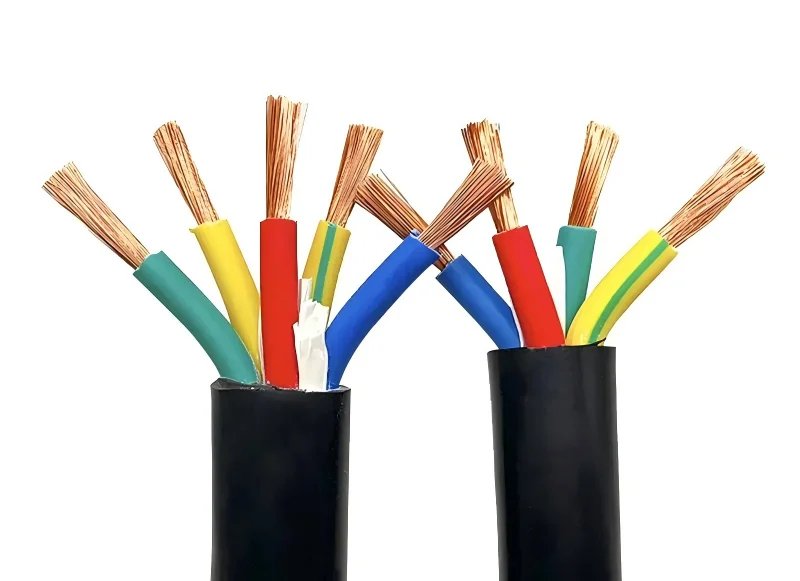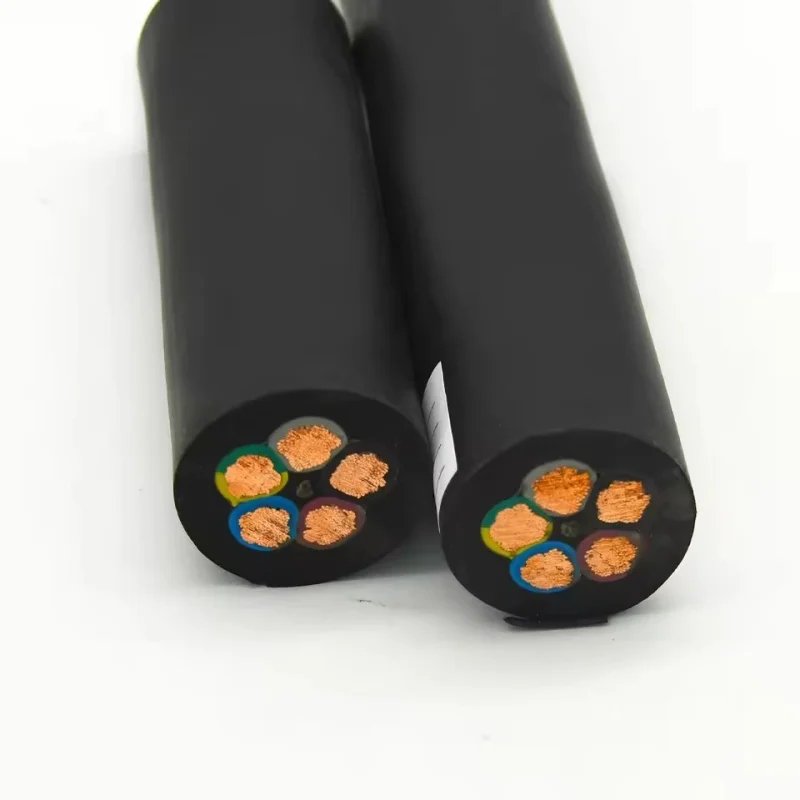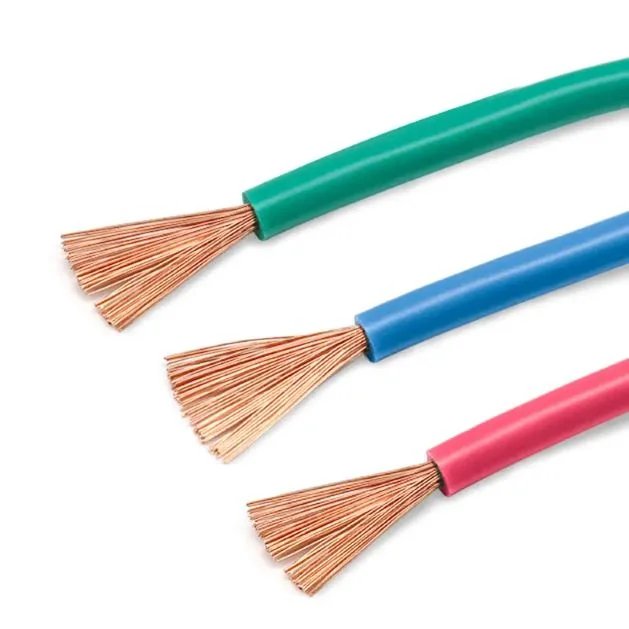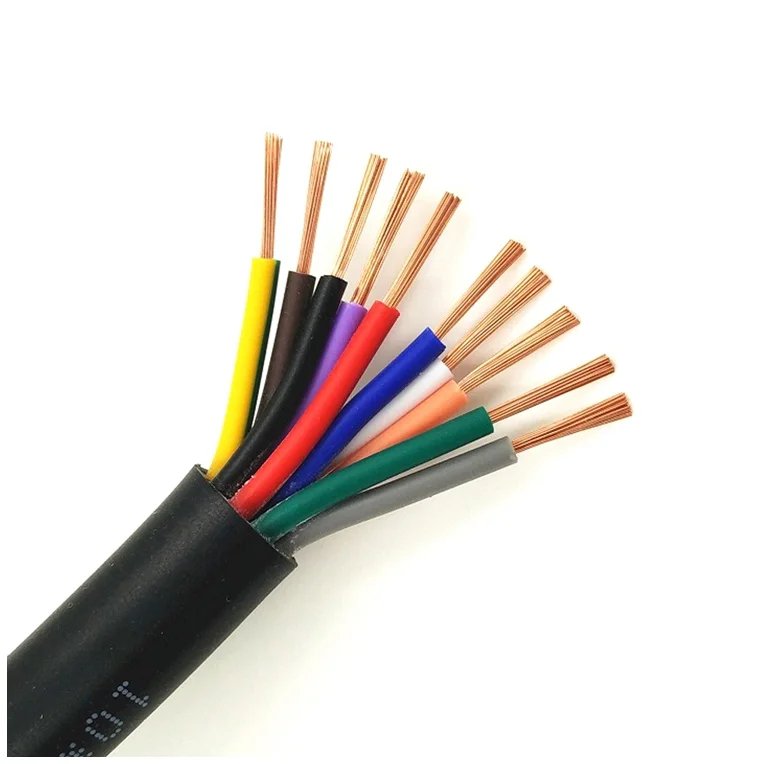




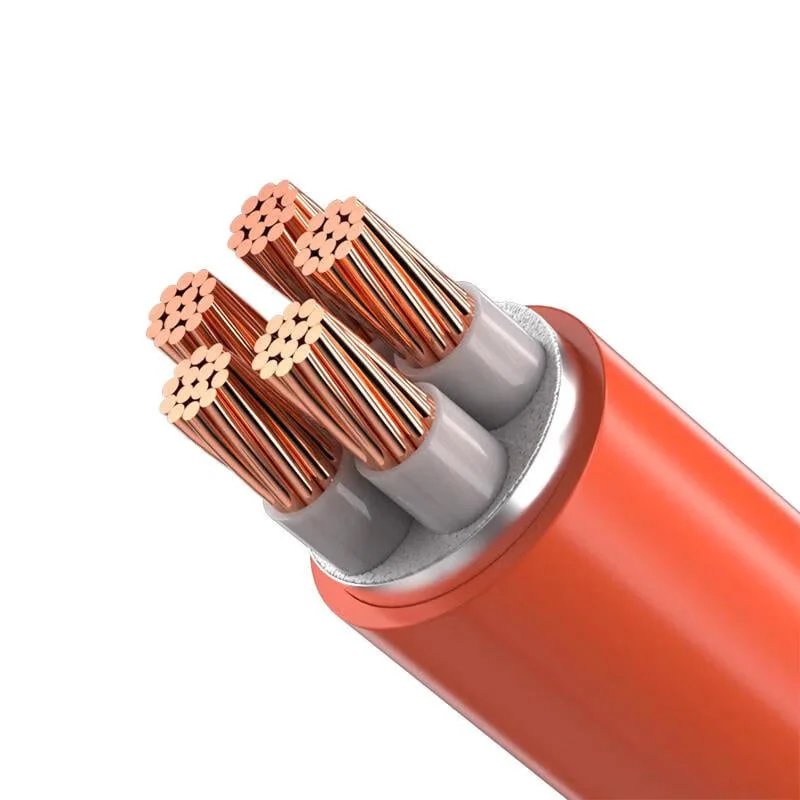
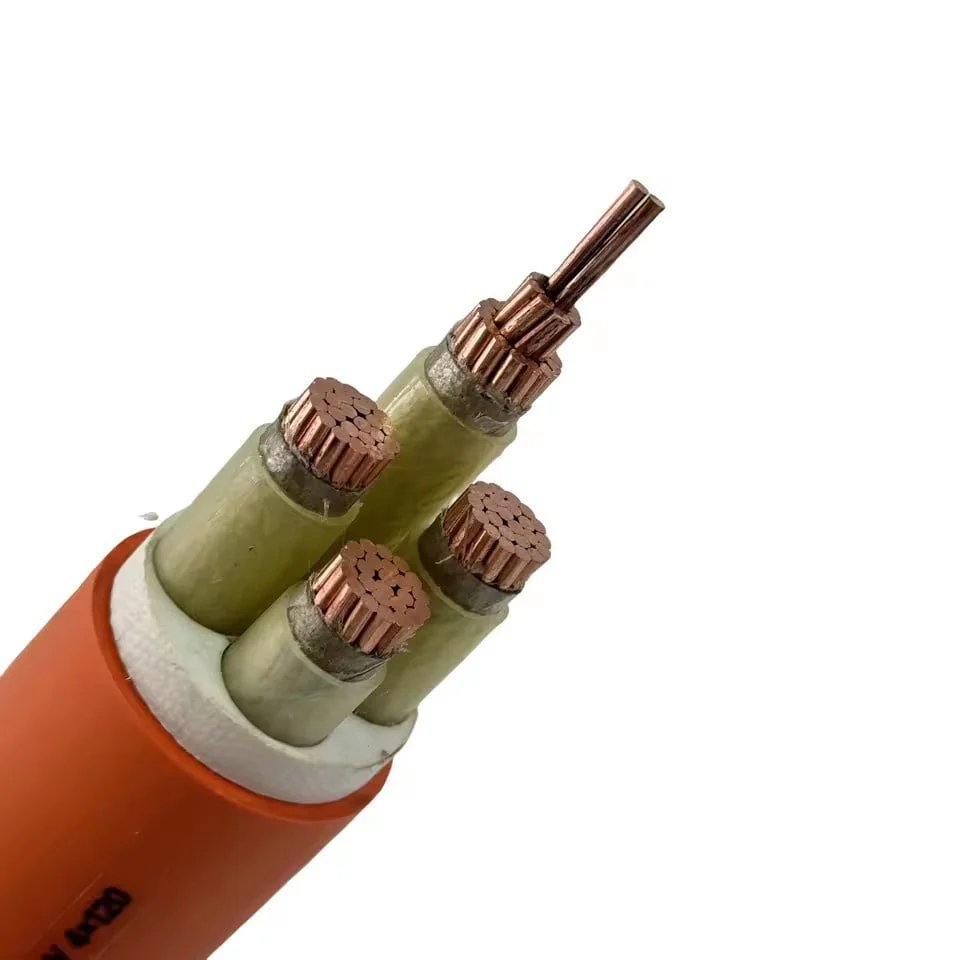
Cabo de alimentação ignífugo LSZH
Cabo elétrico de média tensão de 1,15 kV e 33 kV, blindado com fio de aço, trifásico, com malha de fio de cobre, cabo de energia XLPE, cabo elétrico 2. Cabo impermeável longitudinal 3. Cabo ABC triplex 4. Cabo trifásico de média tensão
partilhar:
Specifications
Sobre
Structure
Features
Selection
Aplicações
Tech Data
Comparison
FAQ
Tips
Logistics
Contacto
Specifications
Technical Specifications & Performance
- Model / Series
- Voltage Rating
- Conductor Material
- Conductor Class
- Cross Section
- Number of Cores
- WDZ-YJV / WDZ-YJV22 / WDZ-YJY / LSZH Cable
- 0.6/1kV
- Copper
- Class 2 Stranded
- 1.5–630 mm²
- Array
- Insulation
- Sheath
- Armoring
- MOQ
- Max. Conductor Temp.
- Min. Bending Radius
- LSZH
- LSZH
- Steel Tape Armored
- ≥ 100 m
- 90°C
- 12 × Cable Outer Diameter
About This Product
Designed to Save Lives, Not Just Cables, When the Fire Starts
LSZH Flame Retardant Power Cable (model designation WDZ-YJY; W = without halogen, DZ = low smoke, YJ = XLPE insulation, Y = polyolefin sheath) is a building-class power cable engineered for one job: protecting people inside enclosed, occupied buildings during the first critical minutes of a cable fire. Standard PVC-sheathed cable releases dense black smoke, hydrogen chloride, and other corrosive gases when it burns — the leading cause of evacuation failure in high-rise fires. WDZ-YJY substitutes a halogen-free polyolefin (HFFR) compound that emits roughly one-tenth the smoke, near-zero acid gas, and burns slow enough to give occupants time to evacuate and firefighters time to operate.
The cable is rated against three independent fire performance criteria. Flame propagation follows IEC 60332-3 Category A, B, C, or D depending on the cable bundle’s aggregate non-metallic mass — the corresponding model suffixes are WDZA-YJY, WDZB-YJY, and WDZC-YJY, with Category A the most demanding. Acid gas evolution follows IEC 60754-1 (halogen acid ≤ 5 mg/g, the LSZH threshold) and IEC 60754-2 (pH ≥ 4.3, conductivity ≤ 10 µS/mm). Smoke density follows IEC 61034 (light transmittance ≥ 60 percent in a 3 m³ chamber).
Jinda manufactures the WDZ-YJY family at our Shandong and Tianjin bases, with dedicated HFFR compound preparation lines so the polyolefin formulation isn’t cross-contaminated by neighbouring PVC production. Standard lead time is 15 to 25 days for 0.6/1 kV configurations up to 240 mm². The fire-resistant variant WDZN-YJY (cable maintains circuit integrity for 90 or 180 minutes per IEC 60331) is quoted alongside on request — commonly specified for emergency lighting and fire pump feeders in code-compliant buildings.
Cable Structure
Same Geometry as YJV. Different Chemistry Everywhere It Burns.
From the outside, WDZ-YJY looks like any other XLPE power cable. The difference is in the polymer formulations: every non-metallic layer that can ignite uses a halogen-free, low-smoke compound. The cost premium over standard YJV is roughly 30 to 45 percent — almost entirely in the compound material, not the manufacturing process.
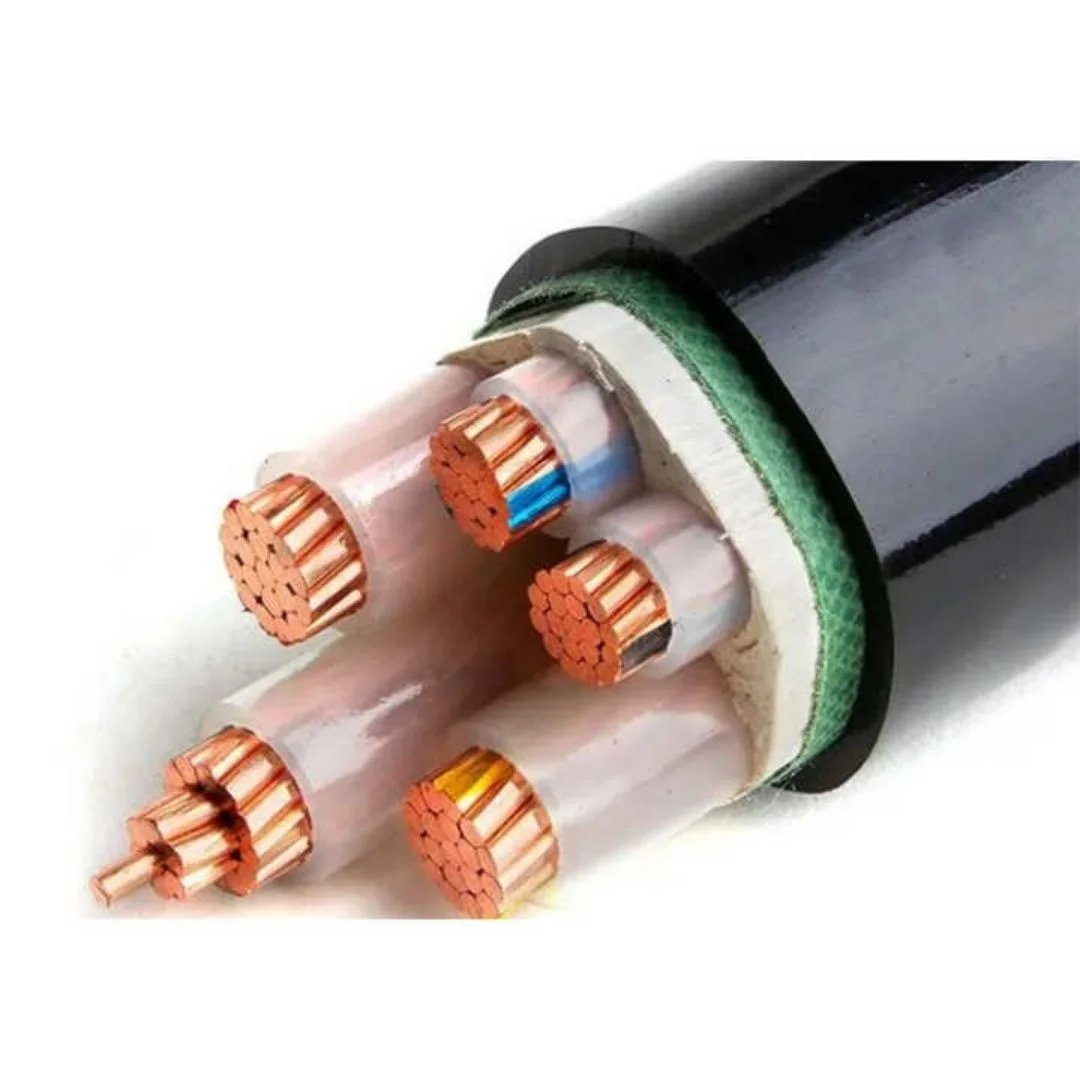
Conductor — Stranded Bare Copper (Class 2 or Class 5)
Compact-stranded bare annealed copper conductor per IEC 60228. Class 2 is standard for fixed installation; Class 5 (finely stranded, more flexible) is offered for cable trays with tight bends inside switch rooms. Aluminum is offered for cross-sections of 25 mm² and above under the model designation WDZ-YJLY.
Insulation — Halogen-Free Cross-Linked Polyethylene (XLPE)
Dry-cured XLPE insulation, conductor operating temperature 90°C continuous, 250°C short-circuit. The XLPE compound itself is naturally halogen-free — what makes the difference is sourcing certified raw material free of chlorinated or brominated additives. For 6/10 kV and above, semi-conducting layers and copper tape screen follow the standard MV construction.
Filler & Binding Tape — Halogen-Free
Halogen-free polypropylene filler fills the interstices between cores. Glass-fibre or mica binding tape on flame-retardant grades to slow the propagation of fire along the cable axis. Standard PVC binding tape is explicitly excluded from this construction.
Outer Sheath — Halogen-Free Flame-Retardant Polyolefin (HFFR)
Extruded HFFR sheath — a polyolefin matrix (EVA or LLDPE base) loaded with aluminum hydroxide or magnesium hydroxide as the flame retardant. The metal hydroxides release water vapor when heated above 200°C, cooling the cable surface and diluting the combustible gases. Colour is typically green (per Chinese building code) or grey/black on request. The sheath is the cable’s only mechanical protection — for direct burial or armored applications, specify WDZ-YJY23 (steel tape armor) or WDZ-YJY33 (steel wire armor).Key Features
Three Fire Performance Properties, Plus the Practical Ones
LSZH is not a single property — it is the combination of three independent fire performance criteria, each tested separately and each driven by a different formulation choice. The features below cover all three plus the practical considerations buyers always ask about.
Flame Propagation: IEC 60332-3 Categories A/B/C
Bundled cables tested in a vertical ladder, ignited by a propane burner for 40 minutes (Cat A) down to 20 minutes (Cat C). Char height must not exceed 2.5 m above the burner. Category A is the most demanding (heaviest non-metallic load); Category C is the most commonly specified for general building cabling.
Zero Halogen Acid Gas: IEC 60754-1 & -2
Halogen acid gas evolution under 5 mg/g per IEC 60754-1. Combustion-gas pH at or above 4.3, conductivity at or below 10 µS/mm per IEC 60754-2. The second test catches halogens that the first one misses — you need both to claim true LSZH. Our typical results: acid < 2 mg/g, pH ~6.5, conductivity ~1 µS/mm.
Low Smoke Density: IEC 61034, ≥ 60% Transmittance
3 m³ test chamber, cable burned in the centre, photometric beam measures light transmittance through the smoke. LSZH cable must achieve at least 60 percent — meaning evacuees can still see exit signs from across a corridor. PVC cable in the same test typically drops to under 10 percent transmittance — functional blindness.
XLPE Insulation, 90°C Continuous Operation
Same ampacity and voltage drop performance as standard YJV cable — the LSZH chemistry change is in the sheath, not the insulation. Drop-in electrical replacement for YJV; no need to resize cables when upgrading a project to LSZH specification.
Full Voltage Range with Armored and Fire-Resistant Variants
Same family covers 0.6/1 kV through 8.7/15 kV. Armored variants (WDZ-YJY23 steel tape, WDZ-YJY33 steel wire) for direct burial inside building basements and outdoor switchyard runs. Fire-resistant variant WDZN-YJY maintains circuit integrity at 750°C for 90 minutes (IEC 60331) — the standard for emergency-circuit cabling.
Compliant with GB 31247-2014 Class B1 / B2
The Chinese GB 31247 cable fire performance classification (B1 = non-combustible, B2 = combustible but slow propagation) is now mandatory in many provincial building codes. Our WDZ-YJY family certifies to B1 with appropriate test reports — required for high-rise residential and public buildings under current Chinese fire-safety regulations.
How to Choose
Six Decisions Before You Place the Order
LSZH cable specification starts with the building, not the cable. The building’s occupancy, height, evacuation route layout, and applicable fire code together determine which flame-retardance category and which variant you need. Walk through these six decisions with the building’s fire safety engineer before issuing the PO.
Confirm LSZH is actually required
LSZH is mandatory for high-rise residential (over 27 m in China), public assembly buildings (hospitals, schools, malls), underground spaces (metros, basements over 10,000 m²), data centers, and any building specified to GB 50016 Class A fire-safety occupancy. For low-rise industrial buildings and stand-alone warehouses, standard YJV is usually acceptable and 30 to 45 percent cheaper — check the project fire engineering brief.
Pick the flame-retardance category (A/B/C)
Halogen acid gas evolution under 5 mg/g per IEC 60754-1. Combustion-gas pH at or above 4.3, conductivity at or below 10 µS/mm per IEC 60754-2. The second test catches halogens that the first one misses — you need both to claim true LSZH. Our typical results: acid < 2 mg/g, pH ~6.5, conductivity ~1 µS/mm.
Decide if fire-resistance is also needed
Flame-retardance and fire-resistance are different properties. Flame-retardant cable resists ignition and slows propagation; fire-resistant cable maintains circuit integrity while burning. For emergency circuits (fire pumps, smoke evacuation fans, emergency lighting, fire-alarm bus), specify WDZN-YJY — LSZH plus a mica tape barrier under the insulation that keeps the cable functioning at 750°C for 90 minutes (IEC 60331). Costs roughly 1.5× the standard WDZ-YJY.
Confirm voltage class and core configuration
Same ampacity and voltage drop performance as standard YJV cable — the LSZH chemistry change is in the sheath, not the insulation. Drop-in electrical replacement for YJV; no need to resize cables when upgrading a project to LSZH specification.
Size the cross-section
Pick the cross-section that satisfies both ampacity (after derating for the installation method — cable trays, conduit, or direct rack mount) and voltage drop (typically ≤ 5 percent end-to-end). Indoor building loads are usually decided by ampacity rather than voltage drop, because runs are short relative to industrial or mining feeders. Always cross-check short-circuit thermal capacity at the panel-board upstream.
Verify the test certificates the project requires
Different jurisdictions demand different paperwork. Most common: IEC 60332-3 Category certification, IEC 60754-1/-2 acid gas reports, IEC 61034 smoke density report, and GB 31247-2014 B1/B2 classification for Chinese projects. For European projects, add CPR (Construction Products Regulation) classification — Cca, B2ca, or higher per EN 50575. Specify which reports you need at order, since some require third-party witness testing that adds 1 to 2 weeks of lead time.
Aplicações
Where Fire Safety Codes Make LSZH the Default
LSZH is not an upgrade — in the applications below, it is the legally or contractually required specification. Standard PVC-sheathed cable will fail the project’s fire safety audit, regardless of how robust the electrical design is.
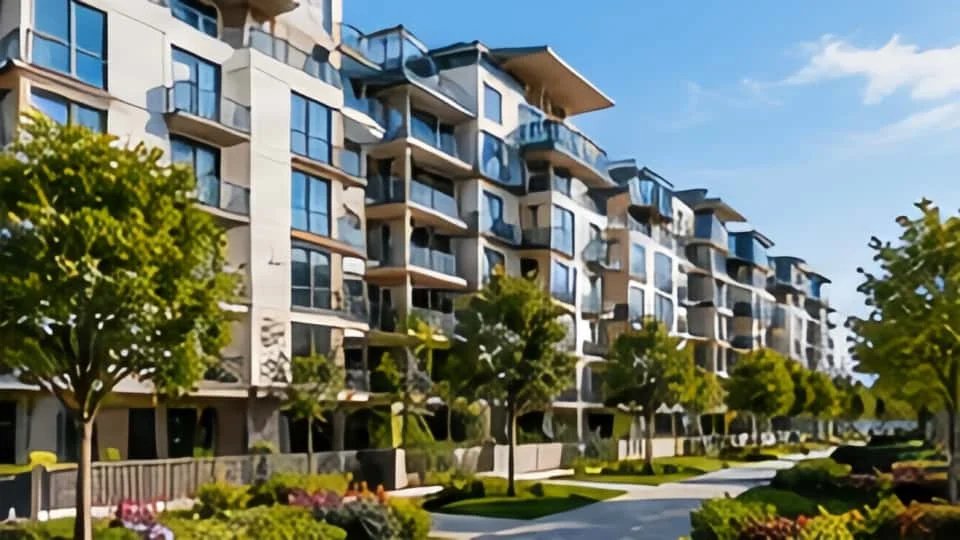
High-Rise Buildings & Hotels
Residential and commercial towers over 27 m in China, over 18 m or 6 storeys in most international codes. Riser shafts, floor distribution panels, common-area lighting. Vertical riser cabling is typically WDZB-YJY (Category B) due to bundled stack weight.
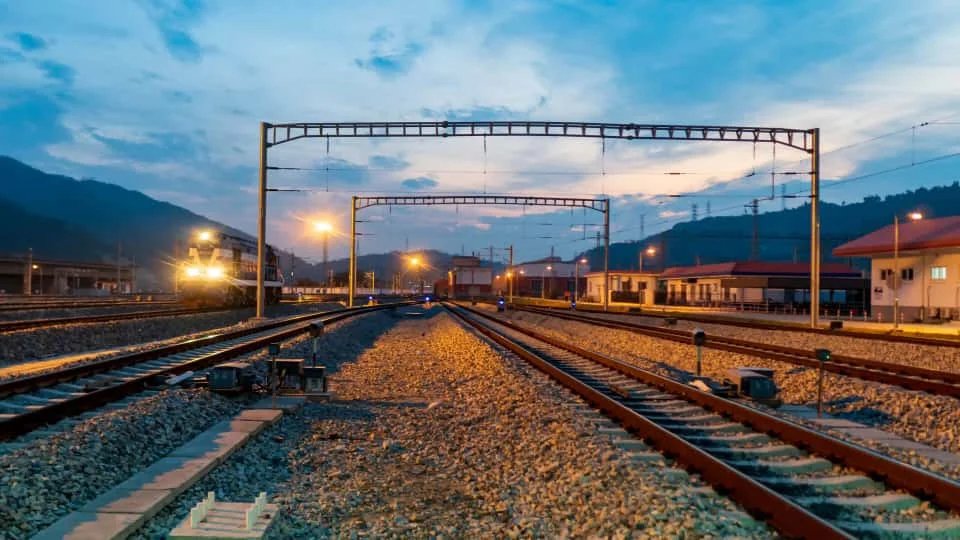
Metros, Subways & Underground Stations
Underground transit infrastructure has the strictest LSZH requirements globally — the King’s Cross fire in London (1987) drove the worldwide regulatory shift. Tunnel ventilation, station lighting, passenger information systems, escalator drives. WDZA-YJY (Category A) is the typical specification.
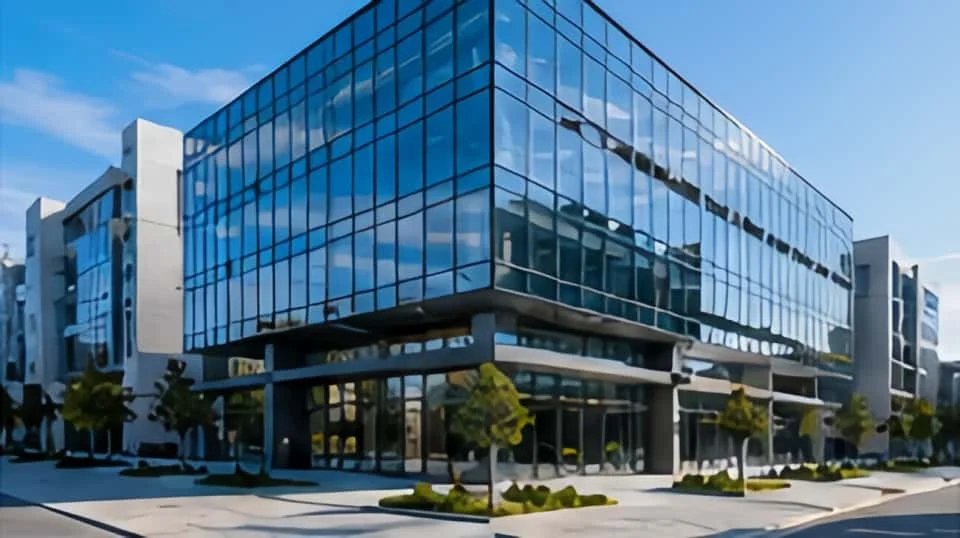
Hospitals, Data Centers & Schools
Buildings where occupants may be unable to evacuate quickly (hospital ICU, school kindergarten), or where electronic equipment is at risk from acid-gas corrosion (data center server halls, telecom equipment rooms). LSZH protects both people and copper-rich electronics.
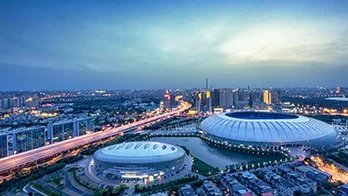
Airports, Shopping Malls & Public Buildings
Large public assembly spaces — airport terminals, shopping malls, stadiums, exhibition halls, government buildings, theatres. Most jurisdictions mandate LSZH for any building above a certain occupancy threshold (typically 500 people). Pair with WDZN-YJY for emergency lighting and fire-pump feeders.
Not suitable for: Direct burial in soil (use WDZ-YJY23 with steel tape armor — HFFR sheath alone has lower abrasion resistance than PVC and is not rated for ground burial). Industrial mine installations (use the MYJV family with MT 818 compliance instead). High-temperature process plants exceeding 90°C ambient (use heat-resistant insulation grades). Mobile machinery applications (use rubber-sheathed flexible cable, not any building-class cable).
Technical Data
Fire Performance Test Results vs Standard Limits
Typical test results from our routine factory and third-party witness testing of the WDZ-YJY family, with the corresponding standard limits side by side. Specific batch results are issued with every shipment.
| Test & Standard | Standard Limit (LSZH) | Typical Jinda Result | Standard PVC YJV (Reference) |
|---|---|---|---|
| Halogen acid gas (IEC 60754-1) | ≤ 5 mg/g | < 2 mg/g | ~ 280 mg/g (HCl from PVC) |
| Combustion gas pH (IEC 60754-2) | ≥ 4.3 | ~ 6.5 | ~ 1.8 (strongly acidic) |
| Combustion gas conductivity | ≤ 10 µS/mm | ~ 1 µS/mm | ~ 350 µS/mm |
| Smoke density (IEC 61034) | ≥ 60% light transmit. | ~ 75 to 80% | < 10% (heavy black smoke) |
| Oxygen Index (GB/T 2406) | ≥ 32% | ~ 38 to 42% | ~ 24 to 28% |
| Flame propagation (IEC 60332-3 Cat A) | ≤ 2.5 m char height | Pass (typ. ~1.8 m) | Fail (full ladder consumed) |
| Single cable flame (IEC 60332-1) | Self-extinguish in 60 s | Self-extinguish < 20 s | Self-extinguish (PVC also passes this) |
| Fire resistance (WDZN-YJY only, IEC 60331) | 750°C / 90 min, circuit integrity | Pass | Not applicable |
Halogen acid gas test per IEC 60754-1 (catch solution titration) with a 5 mg/g threshold for LSZH classification. pH and conductivity per IEC 60754-2 on the same combustion gas sample. Smoke density per IEC 61034-2 in a 3 m³ chamber. Oxygen index per GB/T 2406-2008 / ISO 4589-2 (minimum oxygen concentration to sustain combustion). Bundled flame propagation per IEC 60332-3 Category A (heaviest non-metallic load, 7 L/m). For project-specific certification, third-party witness testing by SGS, BV, or TÜV at our factory can be arranged 2 to 3 weeks before shipment.
Electrical performance (DC resistance, ampacity, voltage drop) is identical to standard YJV cable at the same cross-section — the LSZH chemistry change is in the sheath only, not the conductor or insulation. Detailed ampacity tables are supplied with the formal technical quotation.
Comparison
WDZ-YJY vs YJV vs ZR-YJV vs WDZN-YJY — Match the Spec to the Risk
Four cables, the same XLPE insulation, four different fire-performance profiles. The difference is in the sheath chemistry and (for WDZN-YJY) the mica fire-resistance barrier. Pick the one that matches the building’s fire-safety risk profile — under-spec is a code violation, over-spec is wasted budget.
When to choose WDZ-YJY (this product)
The default for all building cabling where fire-safety codes require LSZH: high-rise residential and commercial, hospitals, hotels, airports, metros, data centers, public assembly buildings. Pick Category A/B/C based on the cable bundle weight in the specific raceway. Costs more than standard YJV, but legally and contractually mandated — the choice is not about preference.
When to choose an alternative
For projects with no LSZH requirement (low-rise industrial, stand-alone warehouses, outdoor utility installations), standard YJV saves 30 to 45 percent — specify it where the code allows. For emergency-circuit cables that must keep functioning during a fire (fire pumps, smoke fans, emergency lighting), step up to WDZN-YJY. For projects requiring direct burial or mechanical protection, specify the armored variant WDZ-YJY23 (steel tape) or WDZ-YJY33 (steel wire). For mining or other industrial environments with their own dedicated standards, use the appropriate product family (MYJV for mining).
| Attribute | YJV (standard) | ZR-YJV (flame-retardant PVC) | WDZ-YJY (this product) | WDZN-YJY (fire-resistant LSZH) |
|---|---|---|---|---|
| Outer sheath material | Standard PVC | Flame-retardant PVC | Halogen-free polyolefin (HFFR) | Halogen-free polyolefin (HFFR) |
| Flame retardance (IEC 60332-3) | Fails (PVC drips) | Cat. C / B / A | Cat. C / B / A | Cat. C / B / A |
| Halogen acid gas | ~ 280 mg/g (HCl) | ~ 280 mg/g (HCl) | < 5 mg/g (LSZH) | < 5 mg/g (LSZH) |
| Smoke density | Heavy black smoke | Heavy black smoke | > 60% transmittance | > 60% transmittance |
| Fire-resistance circuit integrity | No | No | No | 750°C / 90 min (IEC 60331) |
| Suitable for high-rise | No (code violation) | Partial — gas/smoke fails | Yes | Yes (mandatory for emergency circuits) |
| Cost (relative) | 1.00 (baseline) | 1.10 to 1.20 | 1.30 to 1.45 | 1.80 to 2.20 |
| GB 31247 fire class | B3 / B4 | B2 | B1 / B2 | B1 |
Frequently Asked Questions
Installation & Handling Tips
Six Practices Specific to LSZH Cable
LSZH cable installs much like standard YJV with a few differences the installation crew needs to know. The HFFR sheath behaves slightly differently from PVC during pulling, and the project usually has fire-safety documentation requirements that PVC cable projects don’t.
1
Use cable lubricant for long conduit pulls
HFFR sheath has roughly 15 to 20 percent higher friction coefficient than PVC against galvanized steel conduit. For pulls over 30 m or with multiple bends, use a halogen-free polymeric lubricant (not soap-based, which can absorb into the sheath). Verify pulling tension stays under 40 N/mm² of total conductor area.
2
Avoid dragging cable across rough concrete
HFFR sheath compounds achieve their fire performance partly through high mineral filler content (aluminum / magnesium hydroxide). The trade-off is slightly lower abrasion resistance than PVC. Use cable rollers when staging long lengths across rough surfaces, and inspect the sheath for nicks before installing.
3
Seal cable ends immediately
XLPE absorbs moisture if left exposed at cut ends. Reseal with heat-shrink caps within minutes of cutting, and verify the factory end-cap is intact on arrival. Wet insulation will pass first commissioning but degrade fast in service. Even more critical for fire-resistant WDZN-YJY because the mica tape under the insulation is also moisture-sensitive.
4
Use only halogen-free accessories
Specifying LSZH cable then terminating it with PVC cable ties, PVC tape, or PVC heat-shrink defeats the purpose. Use halogen-free cable ties, halogen-free self-amalgamating tape, and LSZH-rated heat-shrink termination kits. Check the wire-marker tags too — the same rule applies. Project fire-safety audits will catch this.
5
Don’t mix LSZH and PVC in the same bundle
Bundled flame-retardance ratings assume the entire bundle is the same compound. A single PVC cable in an otherwise LSZH bundle will release HCl during a fire, contaminating the entire raceway with acid gas and defeating the LSZH installation. Project-wide LSZH means all power, control, communication, and fibre cables in shared raceways — not just the main power feeders.
6
Archive the fire-performance test reports
Building handover packages typically require the cable’s fire-performance certification documents to be filed with the property manager and the local fire authority. Keep the IEC 60332-3 category report, IEC 60754-1/-2 acid gas reports, IEC 61034 smoke report, and GB 31247 classification certificate for each drum on file — we provide them with each shipment, but they need to follow the cable into the building’s asset records.
Safety note: Building cable installation must follow the applicable national wiring rules (e.g. GB 50217 in China, BS 7671 in the UK, NFPA 70 in the US) and any local fire authority requirements. Specifying LSZH cable does not exempt the installation from any other fire-safety provisions — firestop seals at penetrations, cable derating in fire-rated risers, and segregation between safety and general-purpose circuits all remain in scope.
Manufacturing Capability
Why Source From sinopower Cable
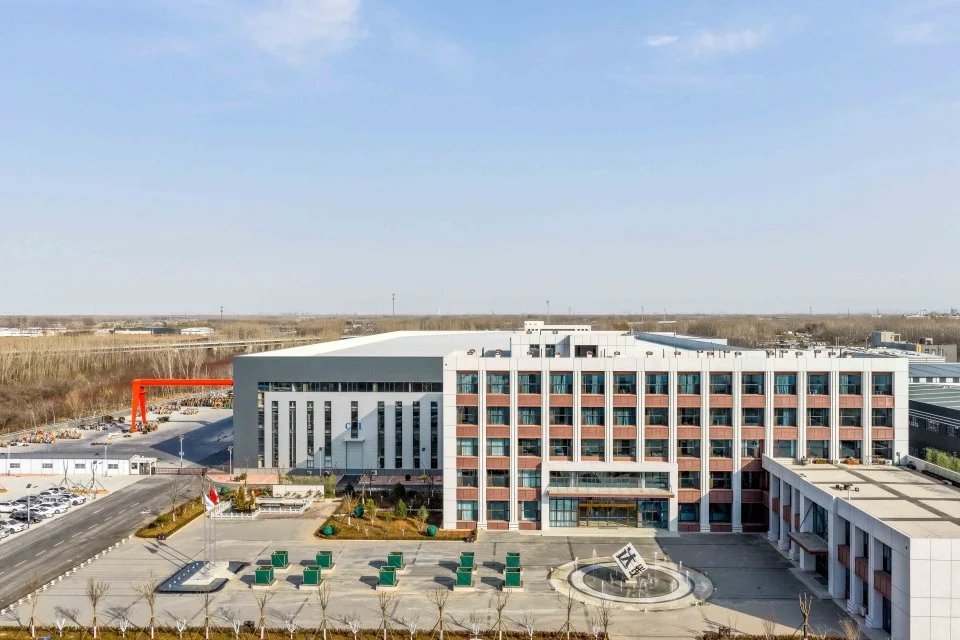
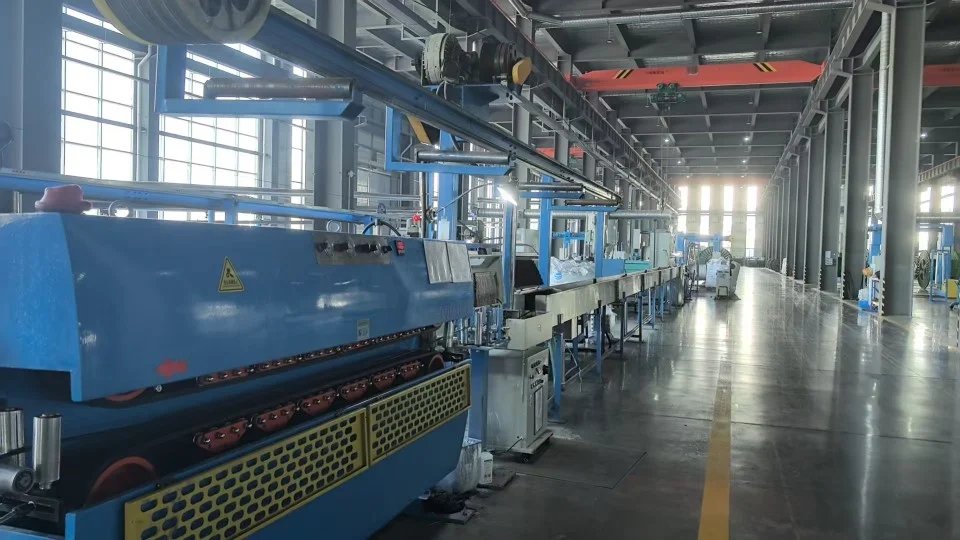
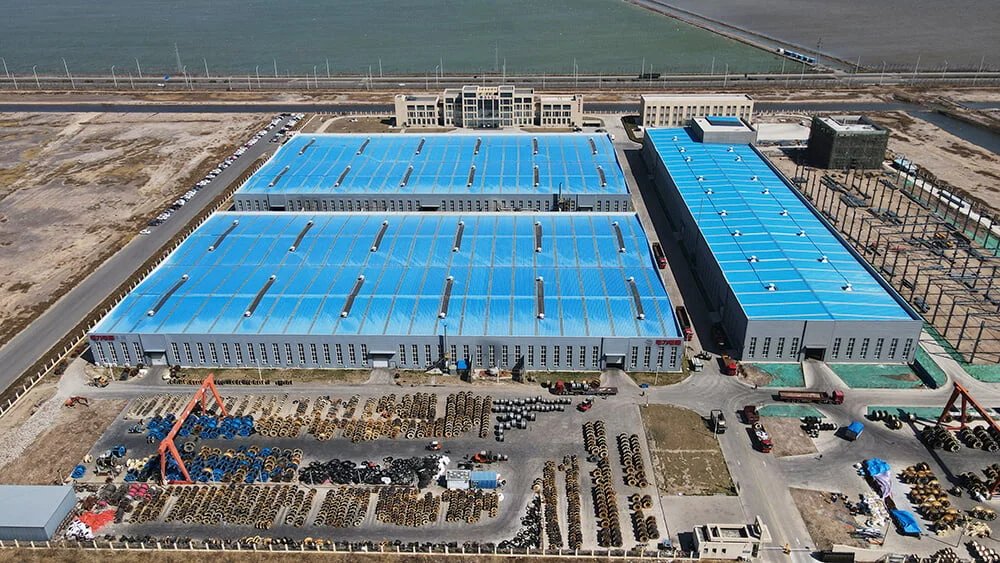
Behind every drum we ship sits a 38-year track record, five production bases under one MES system, and a documentation discipline that gets cables through customs without delays.
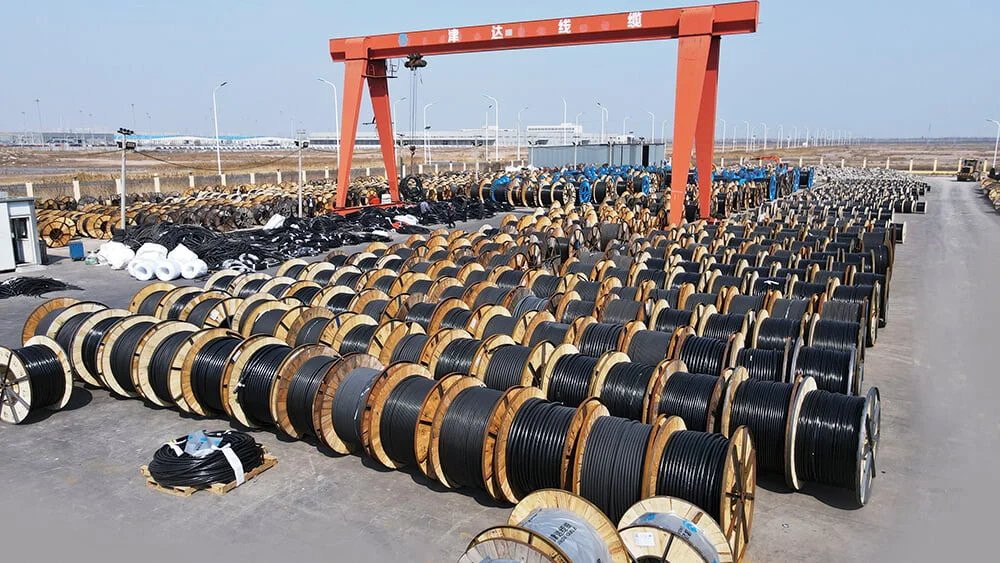
Every cable tested twice before shipping
Since 1987, our two-stage QC has been refined to a science: routine test on the production line, then full electrical and mechanical re-test before packing. Across 50+ export markets, our return rate stays under 0.3%.
Five production bases, 470,000 m², synced via MES
Tianjin, Liaoning, Heilongjiang, Shandong, and Xian — each base runs under one unified MES system. Same recipe, same protocols, same traceability, regardless of which plant ships your order.
3,000+ SKUs, custom configurations welcome
Standard sizes ship from inventory. Special voltage grades, color-coding, drum lengths, or armor configurations are routine — submit your spec and our team will quote the lead time honestly.
Trusted by EPC contractors in 50+ countries
We supply utilities, mining operators, port authorities, and large industrial OEMs across Europe, the Americas, Southeast Asia, the Middle East, and Africa.
Full paperwork shipped with every order
Every shipment includes factory test report, certificate of origin (COO), packing list, and bill of lading (B/L). Customer-nominated witness testing can be arranged before shipment.
Our Track Record
98.7%
On-time shipment rate (last 24 months)
< 0.3%
Return rate across export markets
25 days
Typical sea freight Tianjin → Rotterdam
100%
Shipments with routine test report attached
Logistics & Delivery
Packaging, Shipping & Documentation
What we handle on our side from production floor to the port of loading. Product-specific installation guidance is supplied with the datasheet that accompanies each order.
Embalagem
- Wooden or steel drums per IEC 62004
- Coil packaging available for small cross-sections
- Standard drum lengths plus custom lengths on request
- Each drum labeled with type, voltage, cross-section, length, batch
- Waterproof wrapping for export shipments
- Cable ends sealed against moisture ingress
- Private-label / OEM packaging available under NDA
Shipping
- FCL / LCL sea freight, air freight on request
- Trade terms: EXW, FOB, CFR, CIF, DDP
- Ports of loading: Tianjin / Qingdao / Shanghai
- Typical sea freight to Rotterdam: 25 days
- Lead time confirmed at order acknowledgement
- Container loading photos sent before sailing
Documentation
- Factory routine test report (per applicable standard)
- Commercial invoice and packing list
- Certificate of origin (CO) — China Council, FORM A, FORM E available
- Bill of lading (B/L) — original or telex release
- Third-party inspection by SGS / BV / TÜV on request
- Customer-nominated witness testing arranged before shipment
Get in Touch
Request a Quote for Flexible Mineral Insulated Fire Resistant Cable
- Technical quotation with itemized FOB / CIF pricing
- Sample factory test report from a previous shipment
- Realistic lead time including raw-material procurement
- Direct contact with the assigned sales engineer
Correio eletrónico
info@sinopowercable.com
Response Time
Within 1 business day
Your message has been sent